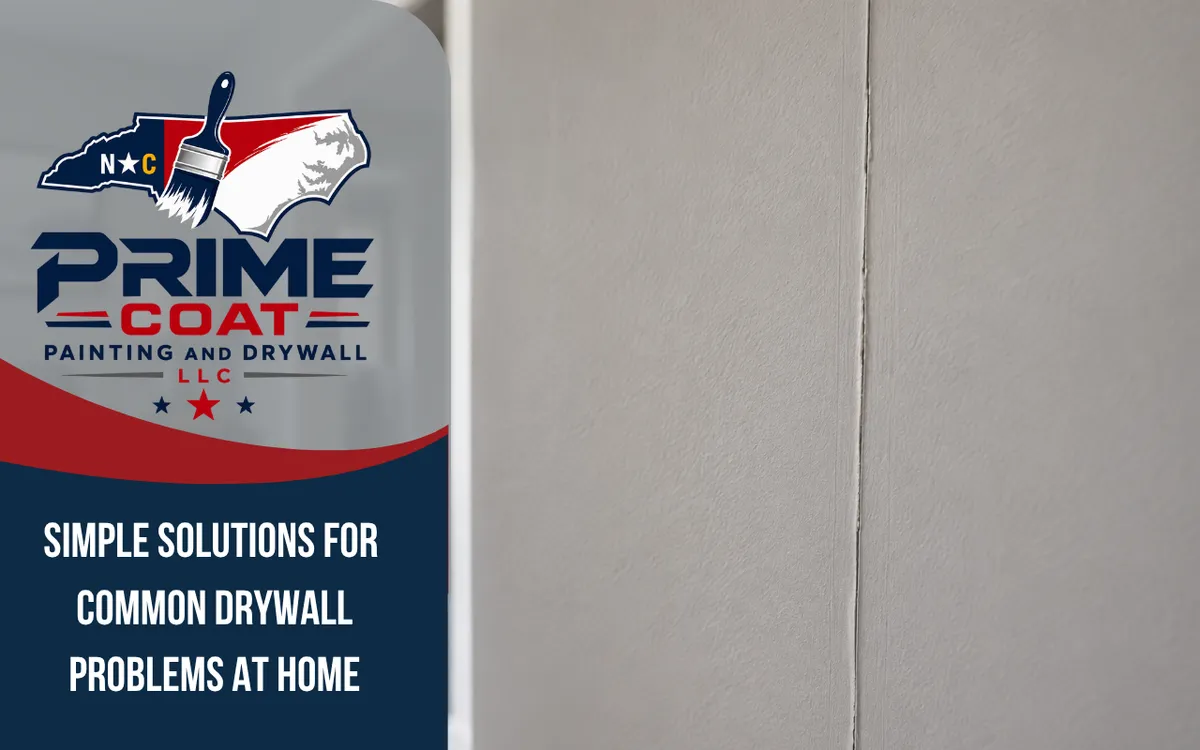
Simple Solutions for Common Drywall Problems at Home
Common drywall problems can make smooth, painted walls look worn and uneven. Cracks, dents, nail pops, moisture marks, and small holes often appear over time. However, many of these problems can be repaired before they become larger concerns.
At Prime Coat Painting & Drywall LLC, we know that a clean paint finish starts with a solid wall surface. By checking damage early and using the right repair method, homeowners can restore walls and prepare them for a fresh coat of paint.
Recognizing Drywall Damage Before Repairs Become More Difficult
Common drywall problems often begin with small changes that are easy to miss. Hairline cracks may appear near corners, doors, ceilings, or drywall seams. Nail pops, dents, bubbling paint, and rough areas can also show that the wall needs attention.
Other signs of drywall damage include soft areas, stains, bulges, or peeling paint. These problems may point to moisture behind the wall. In Waynesville homes, changing humidity and temperatures can also affect drywall seams and surfaces.
Check corners and seams for new cracks.
Look for stains, bubbles, or soft spots.
Watch for nail pops and growing dents.
Inspect areas near bathrooms and plumbing.
Basic Tools Make Small Drywall Repairs Much Easier
Simple repairs usually require only a few basic supplies. Joint compound, putty knives, drywall tape, fine sandpaper, and a utility knife can handle many small jobs. A damp cloth also helps remove dust before primer or paint is applied.
For larger drywall cracks and damage, mesh patches or replacement drywall may be needed. Good lighting is also important because angled light makes dents and uneven areas easier to see. Wear eye protection and a dust mask while sanding.
Repairing Cracks Carefully Creates a Smooth Wall Surface
To repair a crack, first remove loose material around the damaged area. Apply a thin layer of joint compound and place drywall tape over the crack when needed. Then, cover the tape with another thin layer and smooth the edges outward.
Allow each coat to dry completely before sanding. Common drywall problems can return when repairs are rushed or applied too thickly. After sanding, run your hand across the area and inspect it under good light before adding primer.
Clean loose material from the crack.
Apply compound and drywall tape.
Add thin coats until the surface is level.
Sand gently after the repair dries.
Remove dust before applying primer.
Dents and Holes Need the Right Repair Method
Small dents and nail holes are usually easy to fill with joint compound. Press the material into the damaged spot, smooth the surface, and let it dry. A light sanding can then blend the repair with the surrounding wall.
Larger holes require more support. Medium holes may need a mesh patch, while wider openings often need new drywall secured to backing. At Prime Coat Painting & Drywall LLC, we focus on creating a stable, level surface before any finishing work begins.
Fill tiny nail holes directly with compound.
Use mesh patches for medium openings.
Add backing behind larger drywall patches.
Apply several thin coats instead of one thick coat.
Water Damage Requires Extra Care Before Wall Repairs
Water damage should never be covered without finding the moisture source first. Leaking pipes, roof problems, condensation, or outside water can leave stains and soften drywall. Damaged material may also develop mold if it stays wet for too long.
After stopping the moisture, allow the area to dry fully. Severely damaged drywall should be removed and replaced. Drywall issues in Waynesville NC homes can sometimes be linked to seasonal moisture, so checking walls after heavy rain or humid periods is useful.
Smooth Preparation Helps Fresh Paint Look Clean Longer
Wall imperfections before painting often become more noticeable after fresh color is applied. For this reason, sanding and surface checks are important. Use fine sandpaper with light pressure, then wipe away dust with a slightly damp cloth before moving forward.
Preparing damaged walls for paint also includes applying primer over repaired areas. Primer helps create an even surface and can reduce visible differences between joint compound and older drywall. Common drywall problems are much easier to hide when the wall is properly prepared.
Frequently Asked Questions
What causes drywall cracks inside a home?
Drywall cracks can develop from normal settling, humidity changes, movement around doors, or weak seams. Small cracks may be simple repairs, but growing cracks should be checked carefully before patching.
Can I paint directly over damaged drywall?
Painting over damage usually makes the problem more visible. Repairs should be filled, sanded, cleaned, and primed first so the new paint can create a smoother finish.
When should water-damaged drywall be replaced?
Replacement may be necessary when drywall feels soft, swollen, badly stained, or shows mold growth. The moisture source should always be corrected before installing new material.
Why do nail pops appear on drywall?
Nail pops can happen when framing moves slightly and pushes fasteners toward the surface. They can usually be repaired by securing the drywall again and covering the area with compound.
How can I spot hidden wall imperfections?
Shine a light across the wall from the side. This makes small dips, raised patches, cracks, and rough areas easier to notice before primer or paint is applied.
Healthy Drywall Maintenance Keeps Interior Walls Looking Better
Regular wall checks can help prevent common drywall problems from becoming larger repairs. Control indoor moisture, use bathroom and kitchen fans, and watch for new stains or cracks after seasonal changes. Early attention often keeps repairs smaller and easier to manage.
At Prime Coat Painting & Drywall LLC, our goal is to help create clean, dependable wall surfaces before painting begins. With Prime Coat Painting & Drywall LLC, we understand that careful preparation can make the final finish look smoother and stay attractive longer.